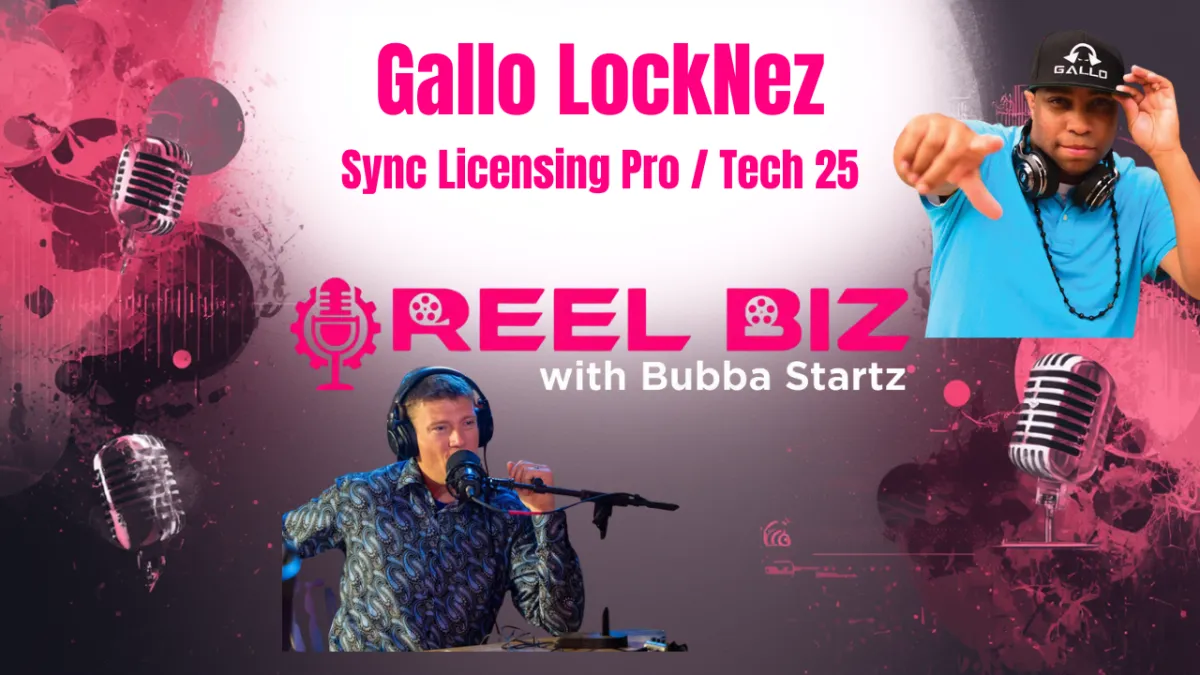
Gallo LockNez: How to Make Money in Music with Sync Licensing
REEL BIZ: How Gallo LockNez Turns Sync Licensing into a Career — And Teaches the Next Generation
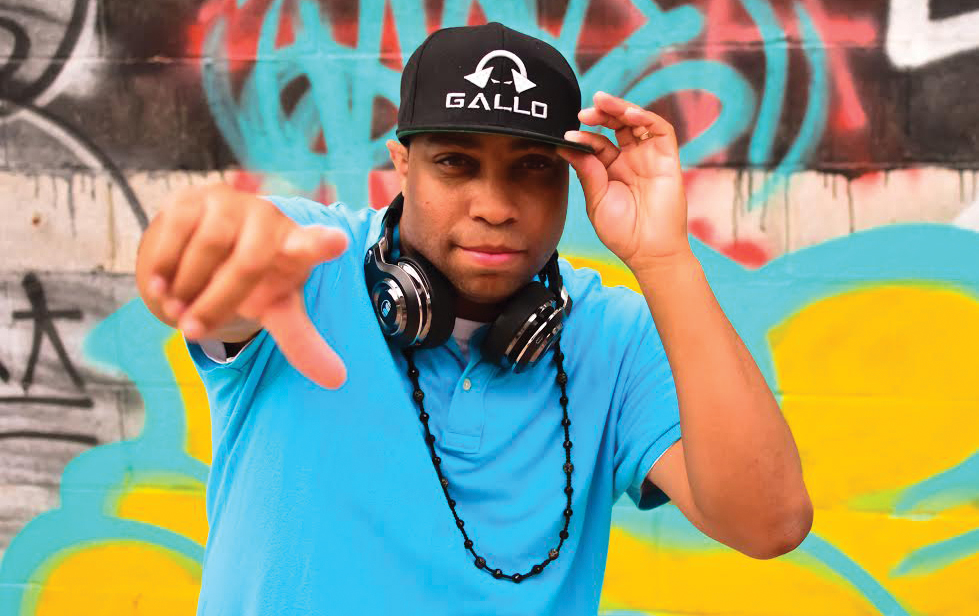
If you’ve ever wondered how working musicians actually earn a living beyond gig nights and merch tables, this episode of REEL BIZ with Bubba Startz is required listening. Our guest, producer/artist/educator Gallo LockNez, walks through a career pivot that many indie artists overlook: sync licensing. In a candid, conversational interview, Gallo explains how placements on TV, streaming platforms, and films can generate serious revenue, broaden your audience, and open opportunities for teaching and community impact. This post breaks down the highlights from the episode and gives practical takeaways for indie artists, producers, and anyone curious about sync as a sustainable music career path.
Listen/watch the episode:
Podcast: https://scene-projects.onpodcastai.com/episodes/Nt8h0rRzHf8
YouTube: https://www.youtube.com/@REELBIZWithBubbaStartz?sub_confirmation=1
REEL BIZ hub: https://reelbiz.thesceneprojects.com
Also mentioned resources:
Tech 25 (nonprofit youth programs): https://tech25.org
Gallo’s hub: https://gallosworld.com/home
Why sync licensing matters for indie artists
Direct income: Gallo’s story proves that sync placements can pay real money — not pocket change. He’s seen placements that paid five figures (one that totaled $25,000 across tracks for a European movie), and several placements in the $10k–$12k range. For many indie musicians, a single meaningful placement can out-earn months or years of gigging.
Passive and ongoing marketing: When your track runs on Netflix, ESPN, or a cooking show, it’s more than a fee — it’s exposure. Listeners often Shazam or search for tracks they hear on TV, generating streaming spikes that continue long after the placement. Gallo pointed out that sync exposure sometimes led to more streams than his traditional releases did.
Lower overhead + higher ROI: Unlike touring, sync requires less travel, less setup, and fewer costs. For artists balancing family or day jobs, sync offers an effective way to monetize their craft without the grind of constant touring.
Gallo’s path: from touring to profitable pivot
Gallo shared a personal turning point: after returning from a European tour with little to show for it financially, he received a sync check for roughly $12,000. The clash between the thrill of performing and the practical realities of making money pushed him toward a sync-first approach. He still loves performing, but sync became the strategy that allowed him to create sustainably and continue growing his brand.
Key lesson: pivoting isn’t failure — it’s strategy. If your goal is to build a long-term career, diversify the ways your music generates revenue.
Types of sync opportunities Gallo is landing
TV networks (ESPN, Nickelodeon, Cartoon Network)
Streaming platforms (Netflix, Peacock)
Films (including international projects)
Commercials and branded content
Documentary and unscripted placements (Gallo mentioned lots of placements on cooking shows)
Gallo’s approach to production and collaboration
Be meticulous: Gallo and his collaborators put time into production and post-production so tracks are broadcast-ready. He shared how working closely with skilled producers (like Jason Payne) and doing detailed toplining, alternate vocal takes, and edits increases the likelihood of placements.
Think like a supervisor: Create tracks that fulfill a need — moods, versions, stems, and variations. Often supervisors or library curators want music that can be edited for specific scenes; bringing multi-version packages makes you more useful and therefore more hireable.
Build a catalog: Consistent output of high-quality tracks targeted at sync libraries increases opportunities. Gallo receives regular outreach from library owners and music supervisors because he’s dependable and has a reputation for delivering on time and with polish.
Relationships > shortcuts: who to connect with and how
Gallo emphasizes building real relationships across the sync ecosystem:
Producers and co-creators: Start with producers you trust and can rely on for quality and speed. Your producer relationships are the engines that get tracks finished and placed.
Library owners/curators: Research active libraries, find their A&R or creative contacts, and approach them with music that fills gaps in their catalog. Ask what they need — then deliver it.
Music supervisors: These are the gatekeepers who place music in films, shows, and ads. If you can get a supervisor’s attention, keep it: clean paperwork, accurate metadata, proper split sheets, and professional temperament matter as much as the song.
Be professional and dependable: Deliver on time, keep your metadata and paperwork tight, and be courteous. Gallo receives daily requests from supervisors and library owners precisely because people trust him.
The education and community work: Tech 25 and beyond
Gallo isn’t hoarding knowledge. He’s turned his sync and production expertise into teaching through Tech 25, a Pittsburgh-based nonprofit that trains youth and adults in production skills including live audio, DJing, music production, lighting, and more. Tech 25 supplies students to serve events in the community (often pro bono), helps them get real-world experience, and teaches them career-ready technical skills.
Why this matters:
It creates a pipeline of skilled, job-ready youth who can work local events and enter the creative workforce.
Community events get free technical support, making local programming more accessible.
Students build confidence, real-world experience, and — potentially — pathways into sync and music careers.
Find Tech 25: https://tech25.org
Check Gallo’s work and offerings: https://gallosworld.com/home
Teaching at scale: moving from one-on-one to one-to-many
Gallo has started teaching groups and online programs to scale mentorship beyond one-off sessions. He acknowledged the challenges — students are at varied levels and you can’t always see everyone’s “light bulb” moment in a group — but group teaching also introduces him to people he wouldn’t otherwise meet and builds a network that benefits multiple careers. He’s focused on refining structure and time management so he can help as many people as possible without burnout.
Practical next steps for indie artists who want to pursue sync
Clean up your metadata and paperwork
Register your songs properly, include clear split sheets, and make sure all copyright/performing/neighboring rights info is correct. Supervisors and libraries will pass on music that’s messy to license.
Build relationships with libraries and supervisors
Do the research. Find active libraries, look for the creative directors or sync A&R contacts, and approach them with music tailored to their needs.
Focus on broadcast-ready production
Make stems, variations, and versions. Deliver professional mixes and masters that don’t require extra time from the music supervisor or editor.
Be fast and dependable
Timely delivery builds trust. If someone sends you an urgent request and you can meet the deadline with quality, you’ll be first to mind for future work.
Package your music for licensing
Think in terms of cues and moods. Supervisors often search for “upbeat corporate”, “tension underscore”, “acoustic melancholic cue”, etc. Build a catalog that speaks to common sync needs.
Consider education and community involvement
Teaching and nonprofit partnerships (like Tech 25) multiply your impact and connect you to new generations of talent. Plus, those networks often generate collaborative opportunities and placements.
A few memorable Gallo quotes from the episode
“That feeling of that bank account filling up with five figures off of one track — that was a breaking point for me.”
“I’m very big on not being a gatekeeper… if I feel people deserve deals, I will reach out to my connections and try to get them their own deals so they can do their own work.”
“If you are somebody that can actually reach a music supervisor, get the opportunity to get their attention, you want to keep their attention.”
Final notes: sync is both craft and relationship
Gallo’s journey shows that success in sync isn’t a magic trick — it’s quality work, smart packaging, speed, and personal relationships. If you’re an indie artist or producer looking to diversify income and increase exposure, sync licensing is a high-leverage strategy worth learning. The skills you sharpen — tight production, metadata hygiene, and professional communication — will help in every part of your music career.
Want to dive deeper? Hear the full conversation:
Full episode on the REEL BIZ podcast: https://scene-projects.onpodcastai.com/episodes/Nt8h0rRzHf8
Watch on YouTube and subscribe: https://www.youtube.com/@REELBIZWithBubbaStartz?sub_confirmation=1
REEL BIZ hub: https://reelbiz.thesceneprojects.com
Explore Gallo’s work and resources:
Gallo LockNez: https://gallosworld.com/home
Tech 25: https://tech25.org


